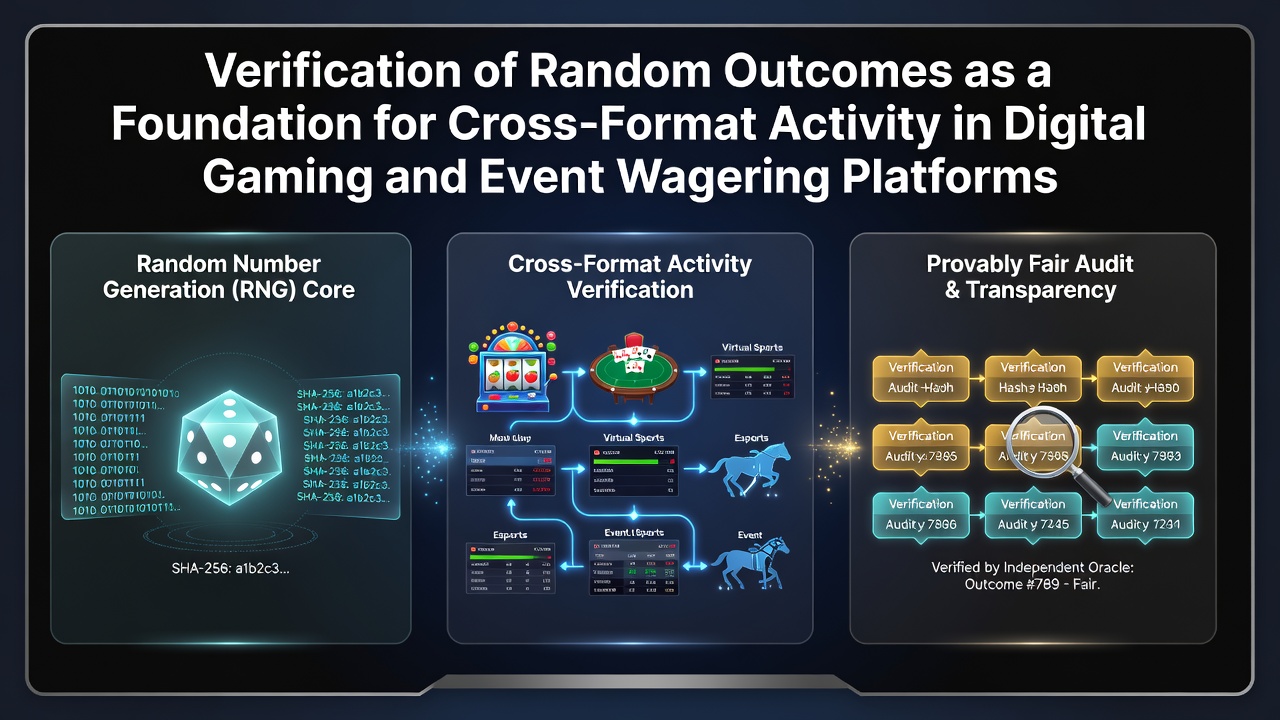
Certified Randomness Systems Powering Unified Digital Gaming and Betting Platforms
Verification of random outcomes serves as the technical foundation that allows operators to combine slots, table games, live dealer sessions and sports event wagering within single user accounts, and regulators in multiple jurisdictions require independent testing of random number generators before platforms receive approval for multi-format operations. Standards from the Nevada Gaming Control Board outline specific statistical tests that RNG outputs must pass, including uniformity checks and long-run frequency analysis, while similar requirements appear in licensing frameworks across other regions.
Platform developers integrate these certified generators into backend systems so that every spin, card shuffle, dice roll and virtual event simulation draws from the same validated source, and this shared infrastructure reduces duplication of compliance work when new game types get added. Data from industry reports indicate that platforms using a single certified RNG engine for multiple formats report fewer discrepancies during routine audits compared with those maintaining separate systems for each category.
Technical Standards and Testing Procedures
Independent laboratories apply suites of statistical tests to RNG outputs before issuing certification reports, and these tests cover period length, correlation between successive values and resistance to predictive attacks. Operators must submit updated reports whenever software updates occur, and August 2026 is scheduled to see revised testing protocols released by several North American regulators that incorporate new entropy source requirements for cloud-based deployments. Once certified, the RNG module feeds every game type on the platform, which means a player who moves from a slot machine to a live-dealer table or to an in-play sports market encounters consistent randomness standards throughout the session.
Researchers at the University of Sydney's Gambling Research Unit have examined how unified RNG architectures affect player behavior across game categories, and their published findings show measurable reductions in complaint volumes when platforms maintain single-source randomness verification rather than fragmented implementations. The same study notes that cross-format promotions become simpler to administer because bonus triggers and outcome calculations rely on one audited mechanism.
Cross-Format Activity and Player Journeys
Modern platforms present unified wallets and loyalty programs that span slots, table games, live streams and sportsbooks, and verified randomness supports the integrity of these combined environments by ensuring that no single format draws from an untested source. When a player deposits funds and switches between verticals, the system records each outcome against the same certified generator log, which simplifies dispute resolution and regulatory reporting. Observers note that seamless movement between formats increases session duration on average, yet the underlying verification layer remains invisible to end users.
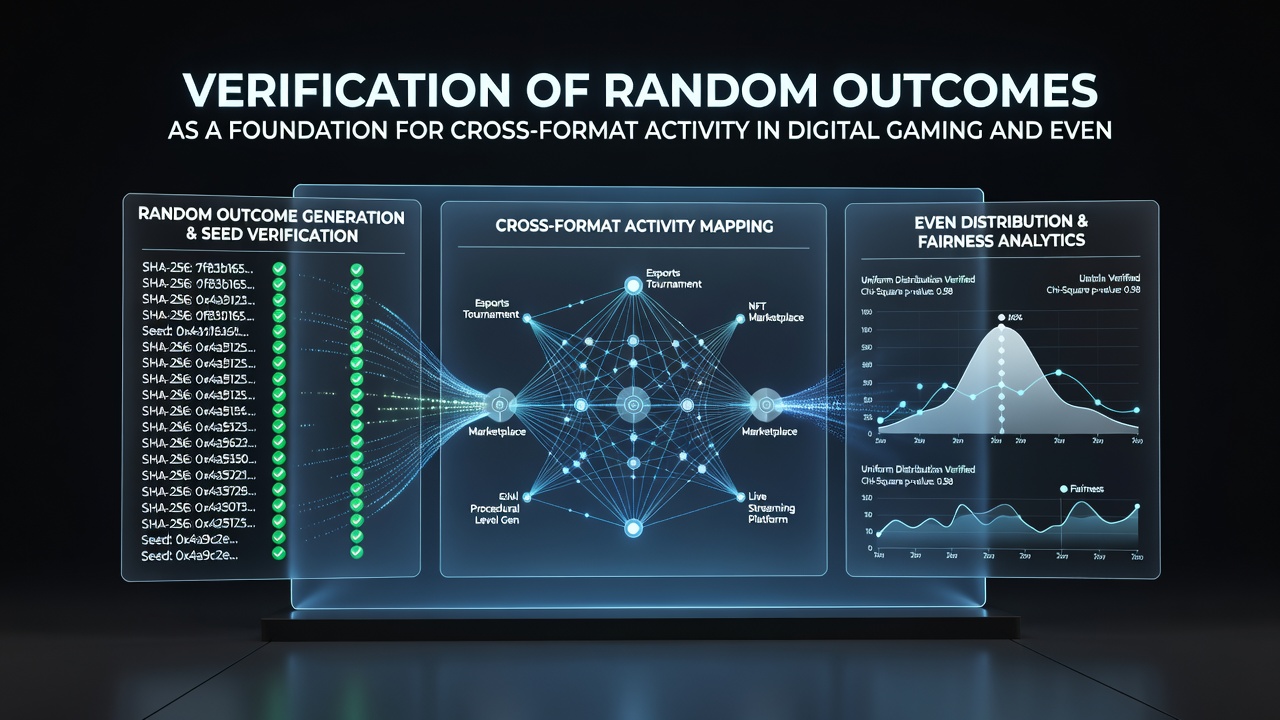
Event wagering platforms that incorporate simulated or virtual sports markets rely on the same RNG certification processes applied to traditional casino games, and this overlap allows operators to offer combined promotions such as slot-triggered free bets on upcoming matches. Regulatory filings from multiple jurisdictions reveal that platforms seeking multi-format licenses must demonstrate RNG compliance across all offered products before launch, and failure to maintain current certificates can halt cross-format features until re-testing completes.
Regulatory Oversight Across Regions
North American and European regulators maintain public lists of approved testing laboratories, and operators reference these lists when selecting vendors for RNG evaluation. In August 2026 several jurisdictions plan coordinated updates to their RNG guidelines that address quantum-resistant algorithms and real-time monitoring dashboards, and these changes are expected to affect how platforms document randomness verification for cross-format activity. Industry associations publish annual summaries of certification statistics that track the number of RNG modules approved each year, providing operators with benchmarks for compliance timelines.
Those who manage multi-format platforms report that maintaining a single certified RNG instance reduces both development overhead and the volume of documentation submitted during license renewals. Academic papers examining regulatory data from Canada and Australia indicate similar patterns, where unified randomness verification correlates with faster approval times for new game integrations.
Conclusion
Verification of random outcomes remains the technical prerequisite that enables operators to deliver integrated experiences across slots, tables, live dealers and sports wagering without compromising regulatory standards. Continued updates to testing protocols, including those slated for 2026, will shape how platforms document and maintain certified systems as cross-format offerings expand. Data from regulatory bodies and research institutions continue to support the role of centralized RNG verification in sustaining trust across diverse gaming and betting formats.