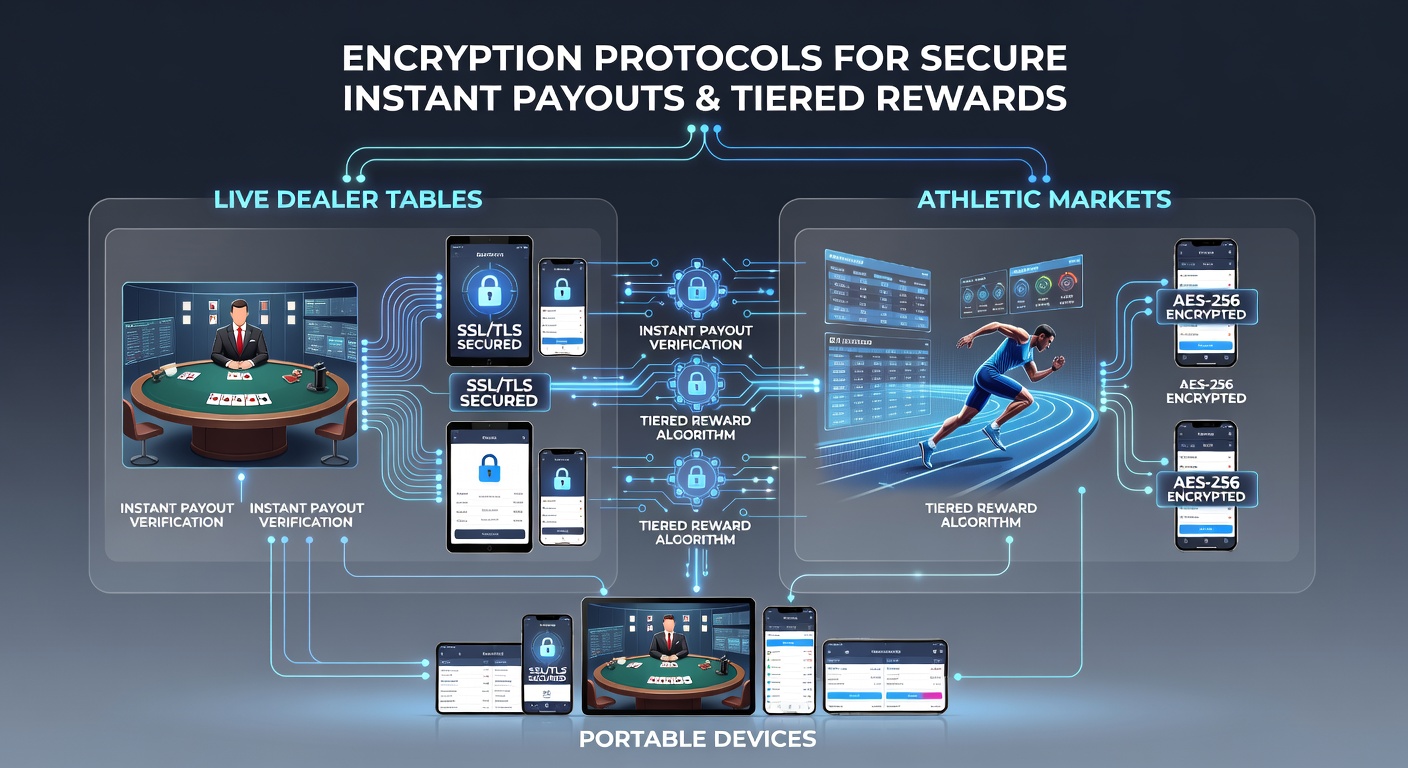
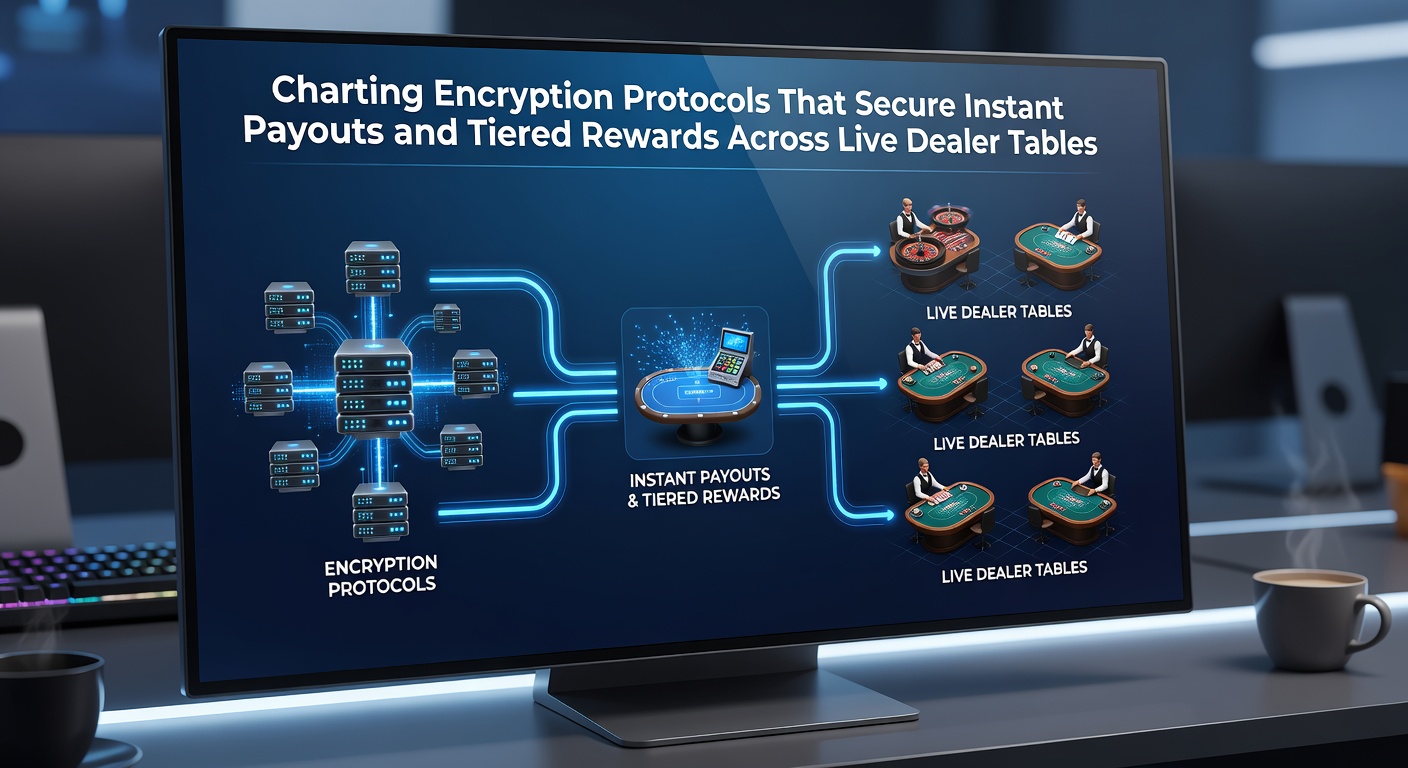
Charting Encryption Protocols That Secure Instant Payouts and Tiered Rewards Across Live Dealer Tables and Athletic Markets on Portable Devices
Encryption protocols form the backbone of secure mobile platforms that deliver instant payouts and tiered rewards in live dealer environments as well as athletic betting markets, and observers note how these systems have evolved to handle high-volume transactions without compromising data integrity on portable devices. Researchers at institutions focused on cybersecurity have tracked the adoption of standards like AES-256 and TLS 1.3, which encrypt communications between user apps and backend servers during real-time card shuffles or live sports wagers.
Core Protocols in Mobile Transaction Flows
Data indicates that protocols such as end-to-end encryption combined with tokenization allow instant payouts to process within seconds while shielding sensitive financial details from interception, and this approach supports seamless integration with reward tiers that unlock bonuses after specific volumes of play on dealer tables or sports lines. In May 2026 industry reports highlighted increased deployment of quantum-resistant algorithms in response to emerging computational threats, yet many platforms continued to rely on established public-key infrastructure for daily operations across iOS and Android ecosystems.
Those who examine mobile gambling architectures often find that protocols like Secure Remote Password and elliptic curve cryptography enable tiered reward calculations to occur in protected environments, preventing unauthorized access to player progression data that links slot activity with live dealer invites or athletic market incentives. Figures from regulatory bodies in North America and Europe show steady growth in encrypted session volumes, with portable devices accounting for over 70 percent of such interactions by early 2026.
Securing Live Dealer Tables Through Layered Encryption
Live dealer tables require continuous encryption streams to protect video feeds and bet placements in real time, and experts have observed how protocols such as DTLS integrate with payment gateways to authorize instant cashouts directly from mobile interfaces. This setup ensures that reward tiers, which accumulate based on table duration and stake levels, remain confidential even when users switch between multiple games or markets on the same device. Studies from academic centers specializing in applied cryptography reveal that multi-factor authentication paired with these protocols reduces latency while maintaining compliance with data protection directives outside the UK framework.
Encryption in Athletic Markets and Reward Pathways
Athletic markets on portable devices depend on protocols that verify odds updates and settle bets rapidly, and data shows how blockchain-inspired ledgers secured by SHA-3 hashing link directly to tiered reward systems that convert sports activity into dealer table credits. People who monitor these integrations note that protocols like OAuth 2.0 with encrypted tokens allow cross-market progression tracking without exposing user histories, which supports instant payouts once reward thresholds are met. A NIST technical publication on authenticated encryption methods outlines techniques now adapted for gambling platforms to handle variable data loads from live events.
Platforms in regions governed by bodies such as the Malta Gaming Authority have documented how these layered protocols maintain audit trails for reward redemptions, connecting athletic outcomes to live dealer sessions through secure APIs that operate efficiently on smartphones and tablets. Evidence from industry analyses indicates that adoption of these measures correlates with higher transaction speeds, as encryption overhead decreases through hardware acceleration available on modern portable hardware.
Integration Challenges and Protocol Evolution
Observers tracking protocol performance across devices report that balancing encryption strength with payout speed requires ongoing refinements, particularly when tiered rewards span live tables and sports markets simultaneously. Protocols evolve to incorporate forward secrecy, ensuring past sessions remain protected even if current keys face compromise, and this continuity supports user trust in mobile ecosystems that process rewards in near real time. Research from European technology institutes demonstrates measurable improvements in transaction verification times when platforms update to newer cipher suites.
Conclusion
Encryption protocols continue to underpin secure instant payouts and tiered reward structures that connect live dealer tables with athletic markets on portable devices, and ongoing developments reflect adaptations to both technical demands and regulatory expectations. Data from multiple sources confirms that these systems enable efficient, protected interactions while preserving the integrity of player progression across diverse gaming and betting formats.