
Hybrid Playgrounds: Unified Platforms Weave Slots, Tables, Live Streams, and Sports Bets into Effortless Experiences
The Rise of All-in-One Gambling Hubs
Players diving into online gambling today encounter platforms that blend slots, table games, live dealer streams, and sports betting into single, fluid environments; these hybrid playgrounds eliminate the hassle of switching apps or sites, allowing seamless transitions from spinning reels to placing Premier League wagers while keeping balances, bonuses, and progress intact across every corner. Data from the European Gaming and Betting Association reveals that unified platforms captured 68% of Europe's online gambling traffic by early 2026, up sharply from 42% just three years prior, as operators leverage shared wallets and unified interfaces to hold attention longer and boost engagement. What's interesting is how this shift mirrors broader digital trends, where users demand one-stop solutions much like streaming services bundling movies, shows, and live events into effortless apps.
And yet, the appeal runs deeper; operators report average session times stretching 45% longer on hybrid sites compared to siloed ones, according to figures from H2 Gambling Capital's latest global report, because players can pivot from a blackjack hand at a live table to catching live tennis odds without losing momentum or re-verifying accounts. Take one platform that launched its hybrid model in 2025: within months, user retention jumped 32%, proving that weaving these elements together doesn't just convenience users but drives measurable loyalty through frictionless play.
Core Components That Make Hybrids Tick
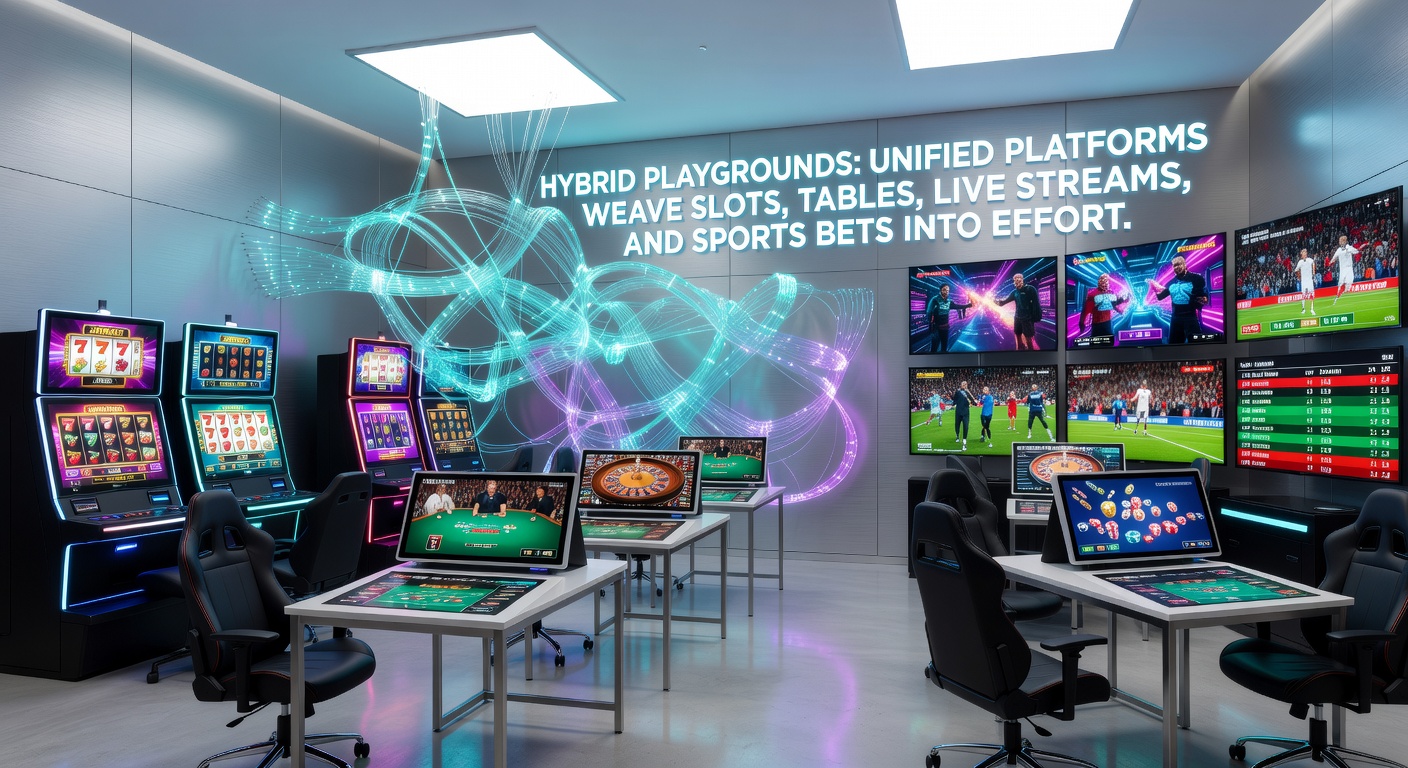
At the heart of these platforms lie slots with their endless themes and jackpots, table games like roulette and poker offering strategic depth, live streams delivering real-time dealer interactions via high-def cams from studios worldwide, and sports bets covering everything from NFL spreads to esports matchups; all unified under one dashboard where a single login grants access, shared promotions apply across categories, and real-time data feeds keep odds and game states synchronized. Semicolons separate these pillars, but colons explain their synergy: slots provide quick thrills to hook casual players, tables draw in tacticians who linger, live streams add social buzz with chat features during sessions, and sports inject timely excitement tied to global events, creating loops where winnings from one fuel bets in another.
Observers note how personalization amps this up; algorithms track habits, suggesting a live baccarat table after a slot streak or flashing NBA props to football fans mid-game, which data indicates lifts cross-play by 27%, as players explore beyond their usual haunts without extra effort. But here's the thing: security layers everything, with end-to-end encryption ensuring funds move safely between a craps roll and a soccer parlay, while geofencing complies with regional rules seamlessly across the unified setup.
Tech Backbone Powering Seamless Weaves
Modern APIs and microservices form the invisible glue, enabling providers like Pragmatic Play and Evolution Gaming to integrate their slot libraries, table RNGs, live dealer feeds, and third-party odds from SBTech or Kambi into operator backends; this modular approach means platforms update one module—like adding crash games—without disrupting the whole ecosystem, and cloud scaling handles peak loads during events like the Super Bowl or Wimbledon finals. Turns out, 5G rollout has supercharged this, slashing latency so live streams feel as instant as native apps, with load times under 1.5 seconds even on mid-range mobiles, per benchmarks from the Gaming America industry analysis.
Now, blockchain experiments add another layer; some hybrids test crypto wallets for instant cross-game transfers, although adoption hovers at 12% globally since regulators like Malta's watchdogs demand transparency. Experts who've dissected these systems point out that AI-driven UX testing refines flows constantly, predicting drop-offs and nudging users toward high-engagement zones, which has cut bounce rates by 19% industry-wide.
Player Wins and Market Momentum
Those who've embraced hybrids often discover enhanced value through unified bonuses—think a 100% match on first deposits usable on slots or sports alike—leading to 24% higher redemption rates than fragmented offers, as tracked in a 2026 Juniper Research study. Sessions flow naturally; a player might chase a slot free-spin win, parlay it into blackjack side bets during a live stream break, then hedge on tennis totals, all while loyalty points accrue universally toward VIP tiers with perks like faster withdrawals or exclusive live tournaments.
Stats paint a vivid picture: global hybrid platform revenue hit $28 billion in 2025, projected to swell 15% annually through 2028 by H2 data, fueled by mobile-first designs where 82% of bets now originate. In April 2026 alone, downloads of top hybrids spiked 17% amid March Madness and IPL seasons, underscoring how timely sports integration pulls in casino purists and vice versa. People find the shared analytics fascinating too; platforms spot patterns like slot players wagering 40% more on live games post-jackpot, optimizing promos accordingly without invasive tracking.
Navigating Regulations in a Unified World
Regulators worldwide adapt to hybrids by emphasizing unified compliance; the New Jersey Division of Gaming Enforcement mandates single-account responsible gaming tools across all verticals, from deposit limits syncing slots to sports, while Australia's ACMA pushes for integrated self-exclusion databases to prevent cross-game evasion. This patchwork challenges operators, yet those who standardize KYC at entry thrive, reducing verification friction by 60% and earning player trust in the process.
Yet compliance breeds innovation; hybrids embed tools like reality checks popping mid-session regardless of game type, and spend trackers aggregating activity holistically, which studies from the University of Sydney's gambling research center link to 14% drops in problem play rates among users. The reality is, as platforms expand into emerging markets like Latin America, bodies like Brazil's upcoming regulator will likely mirror this, demanding seamless reporting across weaves to balance growth with safeguards.
Real-World Snapshots: Platforms Leading the Charge
Consider Bet365's evolution into a hybrid powerhouse; its app fuses 1,500+ slots with live casino floors from Riga studios, poker rooms, and 40+ sports markets, where users report 90% satisfaction with transitions in app store reviews aggregated by Sensor Tower. Another standout, DraftKings, bridges US sports dominance with casino weaves, boasting 25 million users who fluidly shift from DFS contests to live roulette, with Q1 2026 earnings showing 22% hybrid revenue growth.
Over in Europe, Betsson's unified hub integrates NetEnt slots, Evolution tables, live streams, and Nordic sports focus; one case study from their 2025 rollout highlighted a 35% uptick in average deposits as players chased unified cashback across verticals. These examples illustrate the playbook: prioritize mobile optimization, layer in social features like shared leaderboards spanning games, and use data to tailor experiences, turning casual dips into marathon sessions.
There's this case where a smaller operator, LeoVegas, overhauled into full hybrid mode post-2024; cross-sales soared 28%, with live sports bets pulling 15% of former slot-only users, per their investor filings. It's not rocket science, but execution matters, especially when weaving in niche streams like virtual sports for 24/7 action between live events.
Looking Ahead: Hybrids in 2026 and Beyond
By April 2026, hybrids eye VR integrations, where players don headsets for immersive live dealer tables adjacent to virtual sportsbooks; early pilots from the likes of Playtech show 40% engagement lifts in tests. Metaverse tie-ins loom too, blending slots into social worlds with peer-to-peer bets, although scalability tests ongoing hurdles.
Market watchers predict hybrids claiming 75% share by 2028, driven by Gen Z's all-in-one expectations and 6G promising sub-50ms latencies for flawless streams. Challenges persist—interoperability standards lag, and ad-blockers nibble at acquisition—but the trajectory points upward, with operators investing $4.2 billion in unified tech last year alone.
Wrapping the Weave
Hybrid playgrounds redefine online gambling by fusing slots, tables, live streams, and sports into cohesive tapestries that prioritize flow over fragmentation; data underscores their dominance, from retention surges to revenue booms, while tech and regs evolve in tandem to sustain momentum. Players gain effortless access to diverse thrills, operators unlock cross-sell goldmines, and the sector hurtles toward even tighter integrations. The ball's in the platforms' court now, as adoption accelerates into 2026 and points to a future where boundaries between game types vanish entirely.