
Layered Incentives Unfolded: Connecting Financial Transfers to Sustained Activity in Reel, Card, Broadcast, and Match Domains on Handheld Systems
Operators on handheld systems have refined payment flows that tie deposits directly to continued play across reels, card tables, live broadcasts, and match betting, and this approach gained further traction by July 2026 as platforms expanded their reach in multiple markets. Financial transfers initiate sequences where initial stakes unlock tiered rewards that encourage movement between game categories without requiring separate funding steps each time.
Payment Integration Across Game Categories
Reel-based slots often serve as the entry point because quick deposit options allow immediate spins, yet the same wallet balance then supports transitions into card games where players apply accumulated credits toward table stakes, and data from the Nevada Gaming Control Board shows consistent patterns of cross-category movement once funding occurs on mobile devices. Live broadcast environments, which stream dealer interactions in real time, receive players who carry forward balances from earlier sessions, while match domains for sports events draw from the same unified accounts during peak betting windows.
Systems achieve this linkage through automated triggers that apply bonuses immediately after a transfer clears, and those bonuses frequently carry playthrough requirements that span multiple domains rather than restricting activity to one type. Researchers at the University of Nevada, Las Vegas documented how such mechanics sustain session lengths when users move from reels to cards and onward to live streams within a single login period.
Layered Reward Mechanics in Practice
Deposit-linked promotions typically activate in stages, starting with reel multipliers that convert into card-game credits once a threshold is met, and then extend further into broadcast participation where additional incentives appear for live dealer rounds. Match betting sections receive similar carry-over benefits, allowing users to apply remaining balances toward event wagers while retaining access to ongoing reward ladders. Observers note that these sequences reduce friction because the same payment rail supports every category, and activity logs from major platforms indicate higher retention when incentives chain across domains instead of resetting with each switch.
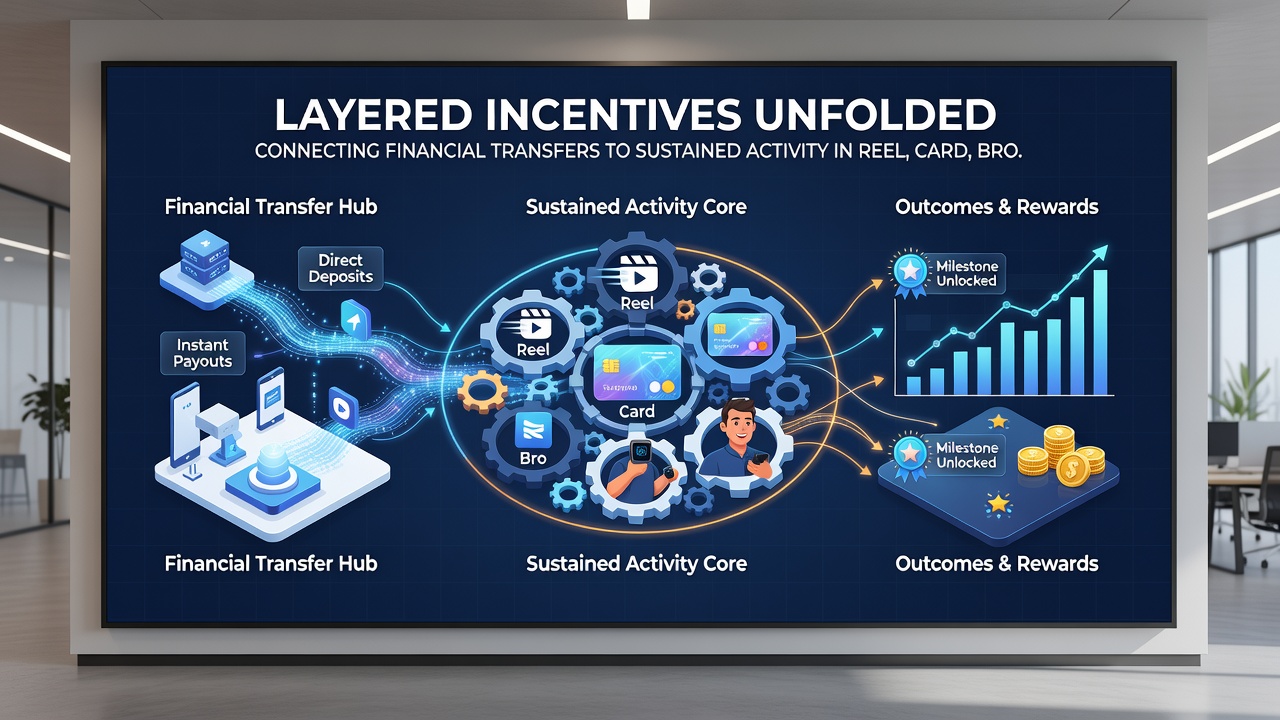
Handheld interfaces display these progressions through unified dashboards that track eligibility across reels, cards, broadcasts, and matches simultaneously, and updates rolled out before July 2026 introduced clearer visual indicators for remaining requirements. Such transparency helps maintain momentum because players see exactly how continued activity in one area advances standing in others without separate tracking tools.
Regional Data Patterns and Platform Adjustments
Figures released by the Australian Gambling Research Centre in early 2026 highlighted increased cross-domain engagement on mobile when deposit bonuses carried forward between game types, and similar trends appeared in North American markets where operators adjusted reward structures to accommodate longer sessions. Those adjustments often include time-limited offers that activate after an initial transfer and then apply across reels for base spins, cards for table entry, broadcasts for interactive features, and matches for event-specific boosts.
Industry reports from the American Gaming Association further illustrate that platforms employing these layered models recorded steadier activity levels throughout 2025 and into mid-2026, particularly when users could shift balances between categories without additional verification steps. The approach relies on secure transaction layers that verify funds once and then allocate portions automatically according to preset incentive rules.
Technical Infrastructure Supporting Continuity
Backend systems coordinate financial transfers with game-state tracking so that progress achieved on reels immediately influences eligibility for card bonuses, live broadcast invites, and match wagers on the same device. Developers implemented API connections that update user profiles in real time, ensuring that activity in one domain registers toward requirements in the others without manual intervention. By July 2026 several major providers had incorporated predictive elements that surface relevant offers based on recent deposit size and prior category usage patterns.
Security protocols remain consistent across all transfers, and compliance frameworks in various jurisdictions require clear disclosure of how incentives span multiple game types, which platforms address through in-app summaries rather than separate documents. This setup supports sustained participation because users encounter fewer interruptions when moving between reels, cards, broadcasts, and matches on handheld systems.
Conclusion
Layered incentives on mobile platforms continue to link financial transfers with extended engagement across reel, card, broadcast, and match domains through coordinated reward structures and unified wallet systems. Data from regulatory and academic sources confirm measurable increases in cross-category activity when bonuses carry forward automatically, and platform adjustments through July 2026 have focused on clearer tracking and reduced friction during transitions. These mechanics rely on established payment rails and real-time tracking tools that maintain continuity without separate funding actions for each domain.