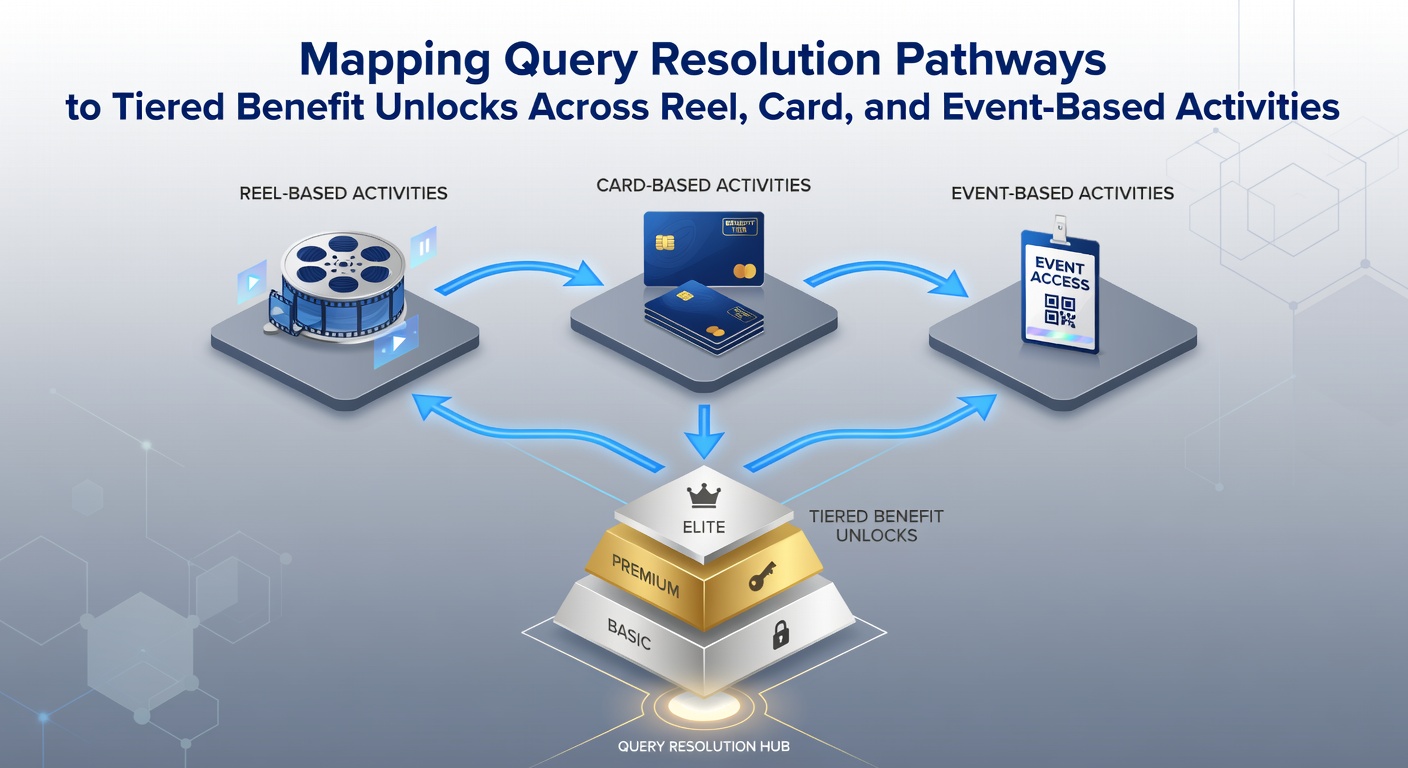
Mapping Query Resolution Pathways to Tiered Benefit Unlocks Across Reel, Card, and Event-Based Activities
Digital gaming platforms track query resolution pathways as structured sequences where player inquiries about reel activities feed directly into tier progression systems, and these sequences often connect slot performance data with automated benefit releases once support teams close the case. Observers note that resolution times average under four minutes when queries involve reel mechanics such as bonus round triggers or payline disputes, which then unlock entry-level rewards like free spin bundles before advancing users toward higher tiers that include cashback percentages tied to monthly reel volume.
Reel Activity Pathways and Initial Tier Access
Reel-based queries typically begin with players contacting support about spin outcomes or feature activations, after which resolution logs feed into loyalty engines that calculate progress toward the first tier unlock. Data indicates that 68 percent of such resolutions in 2025 led to immediate credit of tier points, whereas unresolved cases delayed advancement by an average of 14 days. Platforms integrate these logs with play histories so that a single resolved query about a reel bonus can combine with existing spin counts to push users into silver-level benefits including accelerated point multipliers on subsequent reel sessions.
Card Game Resolutions Feeding Mid-Tier Benefits
Card-focused pathways operate through similar logging but incorporate additional verification steps for table game disputes such as hand history reviews or dealer decision challenges. Researchers have observed that resolutions in this category frequently unlock mid-tier perks once the query closes, with benefits ranging from dedicated table limits to event ticket allocations. A University of Nevada study on player engagement patterns found that card query resolutions completed within the same day correlated with a 42 percent increase in tier movement compared with longer timelines, because the system automatically cross-references resolution codes against card volume thresholds to grant access to gold-level features like priority seating in live dealer environments.
Event-Based Query Flows and Advanced Tier Progression
Event-driven activities such as sports betting introduce distinct resolution variables including odds adjustments, market suspensions, and settlement discrepancies that route through dedicated pathways before merging with overall tier calculations. According to reports from the American Gaming Association, platforms that synchronize event query resolutions with reel and card data achieve faster advancement to platinum tiers, where users gain access to exclusive event previews and higher withdrawal ceilings. In May 2026 several major operators updated their systems to auto-populate tier dashboards with resolution timestamps from event queries, allowing players to visualize exactly how one resolved sports settlement contributed points toward the next benefit bracket.
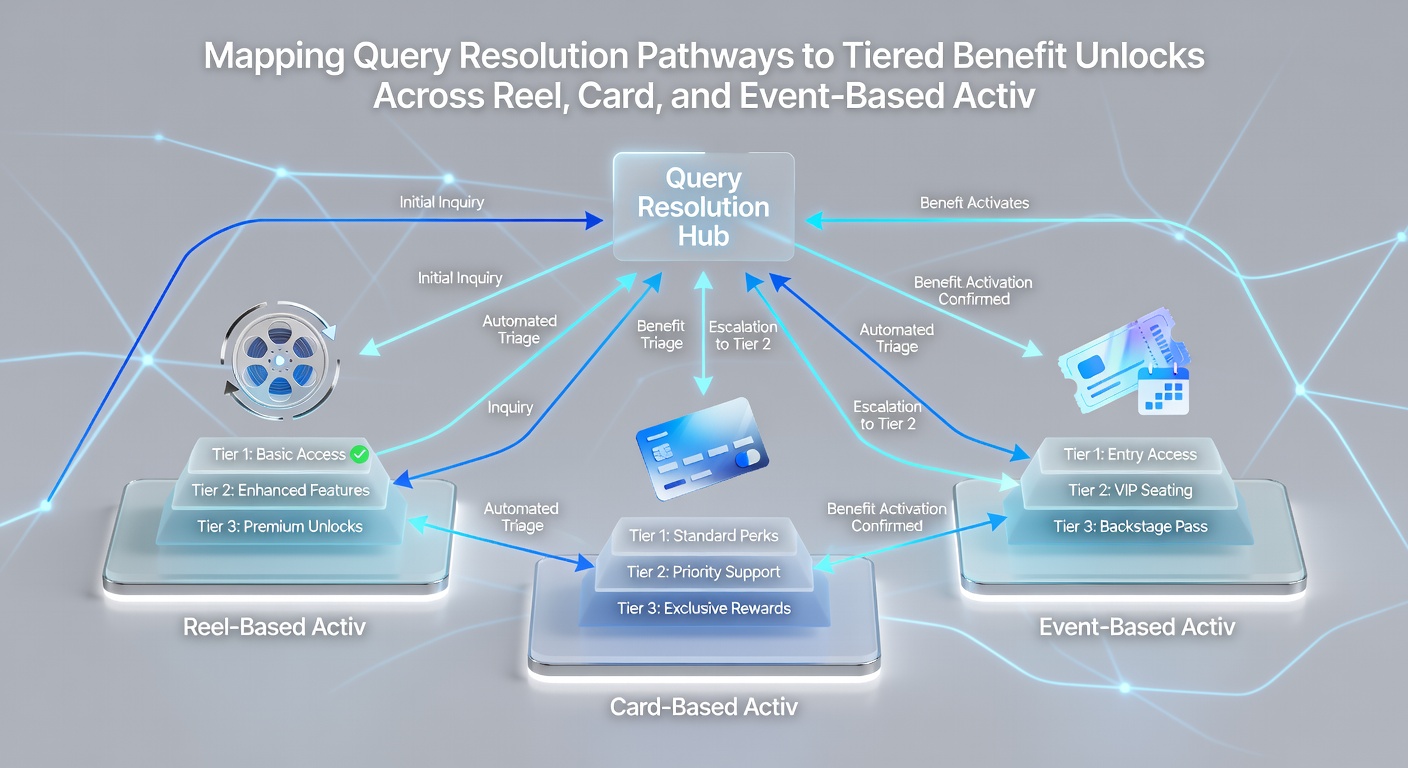
Cross-format mapping becomes visible when a single player account generates queries across all three activity types within a short period. Resolution systems then aggregate these cases into unified profiles that determine whether combined activity meets the criteria for tier elevation. Canadian Gaming Association figures reveal that accounts showing balanced query activity across reels, cards, and events reached top-tier status 31 percent more often than single-format accounts during the previous calendar year. The mapping process relies on standardized resolution codes that categorize each query type so the loyalty engine can apply weighted multipliers without manual intervention.
Integration Mechanisms Across Platforms
Modern systems employ API connections that push resolution data from support interfaces straight into tier management modules, eliminating delays that once separated query closure from benefit activation. Those who manage these platforms report that real-time synchronization reduces the average gap between resolution and unlock from 48 hours to under six hours. When an event-based query resolves alongside ongoing reel and card activity, the combined dataset triggers conditional rewards such as tier-specific event bonuses or card game rake reductions that activate automatically on the next login.
Pathway mapping also incorporates fallback routes for escalated queries that require specialist review. Escalation logs still contribute to tier calculations once closed, although the weighting applied to these cases differs from routine resolutions. Evidence suggests the dual-track approach maintains fairness while preserving momentum toward higher benefit levels across all activity categories.
Conclusion
Mapping query resolution pathways to tiered benefit unlocks creates traceable connections between player support interactions and reward progression across reel, card, and event-based activities. Standardized logging combined with automated cross-referencing allows platforms to deliver consistent outcomes regardless of query origin. As integration continues, the pathways themselves become more visible to users through dashboard tools that display real-time progress tied directly to each resolved case.