Payment Synchronization Unlocks Cross-Format Reward Pathways in Digital Gaming Landscapes
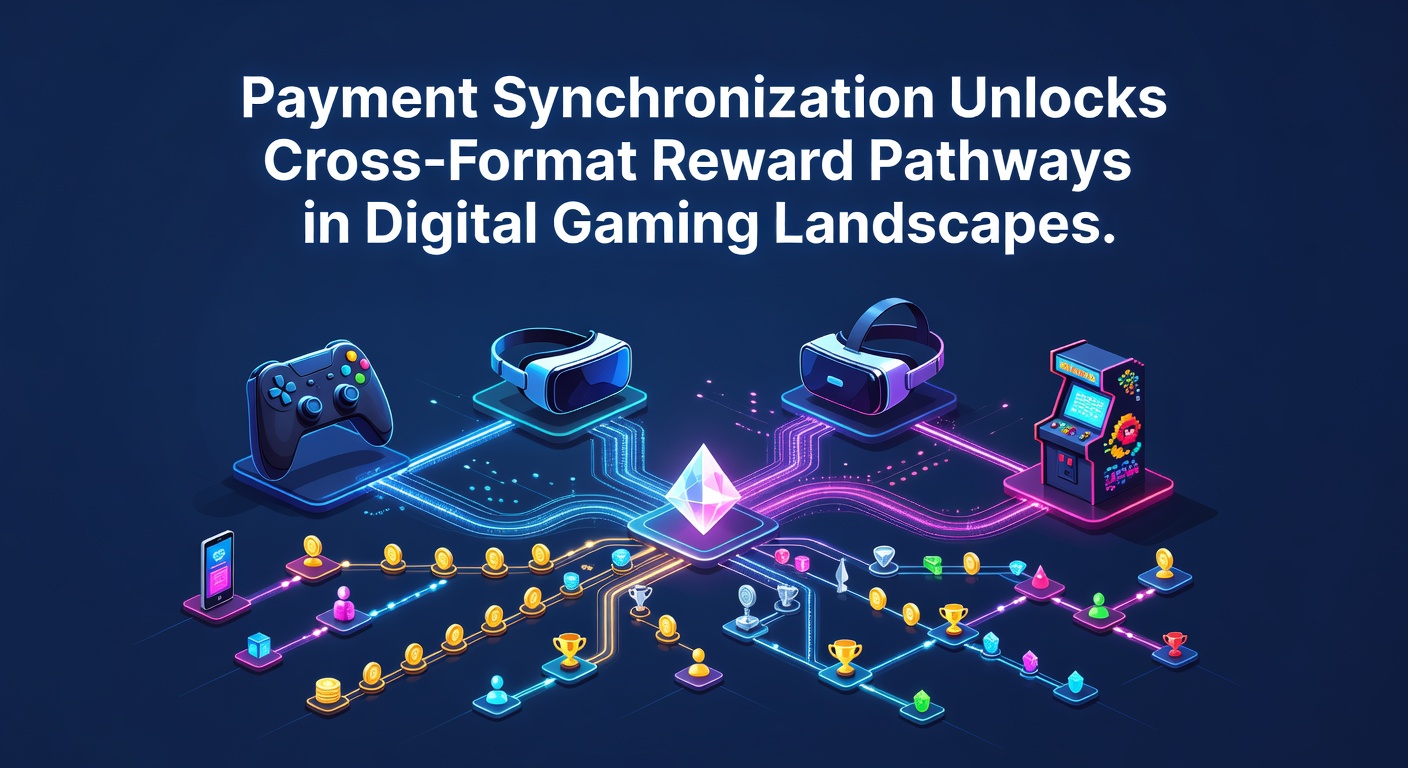
Payment synchronization coordinates deposit and withdrawal processes across multiple gaming formats so that user balances update in real time while reward eligibility travels between slots, table games, live dealer sessions, and sports markets. Systems achieve this through unified ledgers that record each transaction once and push the data to connected modules without requiring separate logins or additional verification steps. Operators report that these connections reduce processing delays from minutes to seconds, allowing players to move funds from a sports betting deposit directly into a slot bonus pool or a live dealer invite tier.Technical Mechanisms Behind Cross-Format Transfers
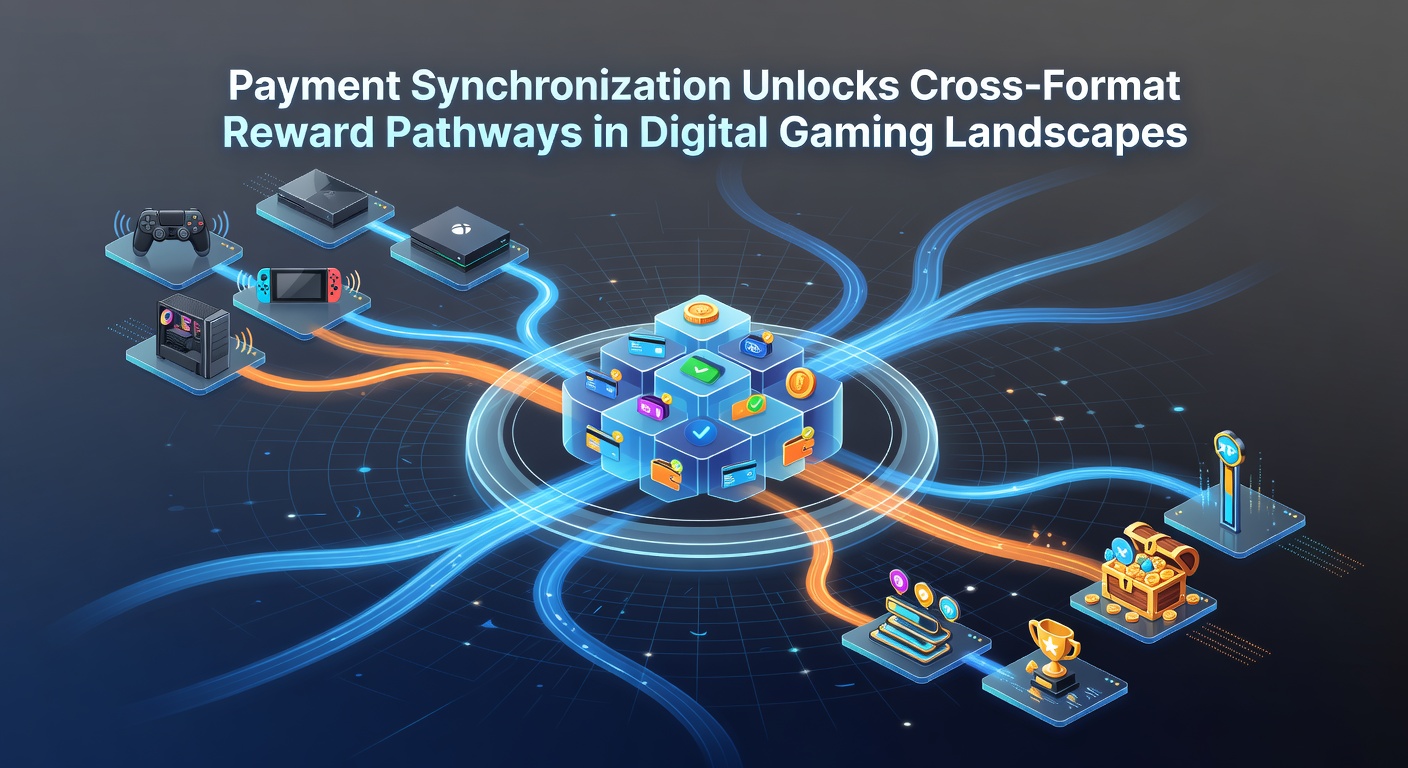
Centralized application programming interfaces handle the matching of payment rails with reward ledgers so that a single transaction identifier carries metadata about format eligibility. When a deposit clears, the identifier activates pathways that credit points or multipliers usable in any linked product, whether that product runs on random number generators, live streams, or odds engines. Data centers located in multiple jurisdictions maintain redundant copies of the ledger to satisfy local storage rules while still delivering sub-second queries to player devices. As of May 2026, several large platforms have published uptime figures above 99.8 percent for these synchronized services, citing improved database sharding and edge caching as the main contributors.
Regulatory Environment Across Regions
Canadian regulators, including the Alcohol and Gaming Commission of Ontario, require operators to demonstrate that synchronized payment systems preserve transaction integrity and prevent unauthorized reward transfers between accounts. Similar requirements appear in Australian oversight documents from the Australian Communications and Media Authority, which focus on audit trails that link each reward credit to an original payment source. These rules encourage platforms to maintain immutable logs that auditors can query without interrupting live play sessions. Industry associations such as the European Gaming and Betting Association have issued guidance recommending standardized message formats so that cross-border operators can meet multiple regional standards with a single technical stack.
Examples of Reward Pathway Activation
One documented case involves a player depositing through a mobile wallet to fund a sports bet; once the wager settles, the same transaction identifier unlocks a slot multiplier that applies automatically on the next reel spin. Another pattern shows live dealer table results feeding into a sportsbook cash-out option when the player’s cumulative points reach a threshold stored in the shared ledger. Observers note that these sequences occur without players navigating separate menus or re-entering payment details, because the synchronization layer already confirms the original funding method and compliance status. Platforms that implemented these flows during 2025 recorded measurable increases in session length, although exact percentages vary by market and product mix.
Data Tracking and Player Behavior Patterns
Analytics suites attached to synchronized ledgers capture sequence data showing how often a deposit in one format precedes activity in another. Researchers at academic institutions have begun publishing anonymized datasets that track these transitions across thousands of accounts while respecting privacy regulations. The datasets indicate that reward pathways activated within the first hour after deposit correlate with higher retention metrics measured at the 30-day mark. Operators use this information to adjust bonus structures without altering the underlying payment rails, because the synchronization layer already isolates format-specific rules from the core transaction engine.
Security and Compliance Measures
Encryption protocols wrap each synchronized message so that payment details and reward metadata travel together yet remain segregated from player personal information. Multi-factor authentication events tied to the original deposit carry forward automatically, satisfying know-your-customer checks across formats without repeated prompts. Independent testing laboratories verify that random number generators, live stream feeds, and odds compilers all reference the same account state at the moment a reward activates. These verifications occur on scheduled cycles and after any material change to the synchronization software, producing reports that regulators in multiple jurisdictions accept as evidence of system integrity.
Future Developments Expected After May 2026
Engineers continue to test blockchain-based settlement layers that could further compress reconciliation times between payment processors and reward engines. Pilot programs already explore embedding smart contracts that release cross-format bonuses only when predefined conditions, such as minimum wager volume or time elapsed, are met on-chain. Industry reports project wider adoption of these contracts once interoperability standards mature, allowing smaller operators to connect to the same reward networks currently used by large platforms. Continued regulatory dialogue across North America, Europe, and Asia-Pacific regions aims to align reporting requirements so that a single set of audit logs satisfies multiple authorities simultaneously.
Conclusion
Payment synchronization has established direct connections between deposit events and reward eligibility across gaming formats, supported by technical standards, regional regulations, and ongoing data analysis. The resulting pathways enable seamless movement of funds and incentives without additional player friction. As platforms refine these systems through 2026 and beyond, the emphasis remains on maintaining verifiable transaction integrity while expanding the range of products that can share reward balances.