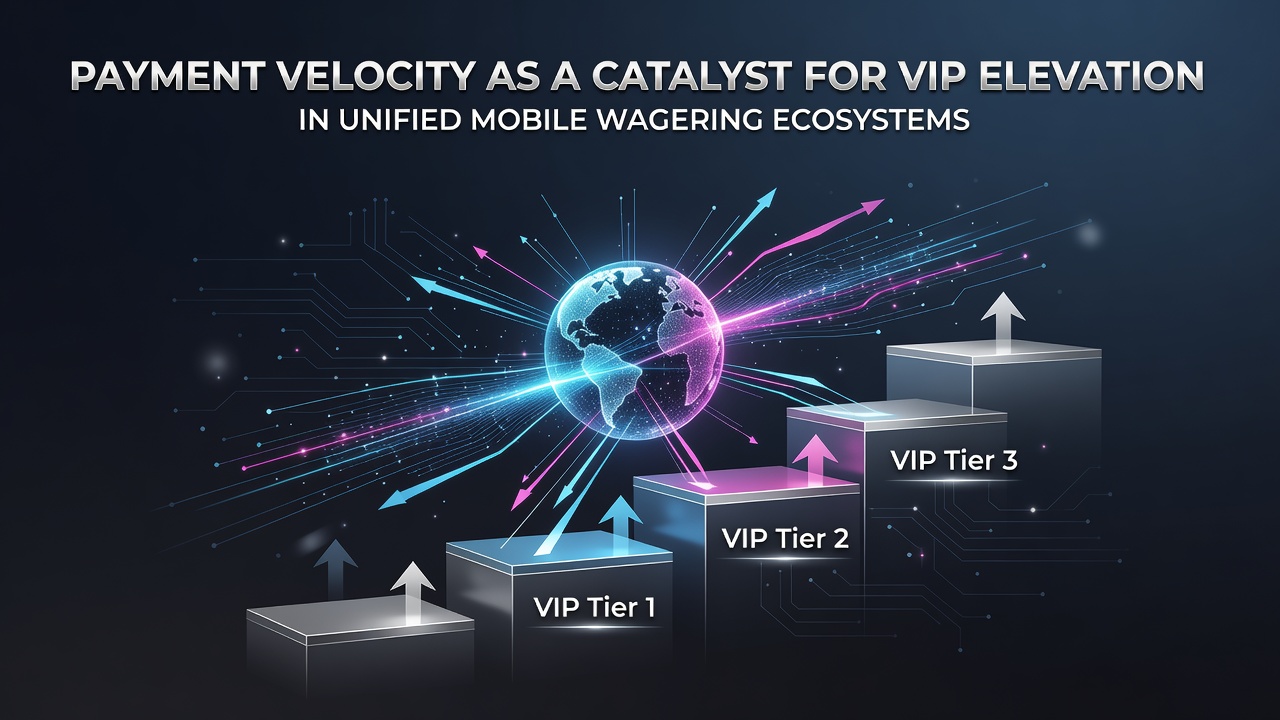
Swift Funding Mechanisms Propelling Players Toward Premium Tiers in Unified Mobile Wagering Systems
Payment velocity describes the speed at which funds transfer into and out of player accounts within mobile wagering platforms, and this metric has gained attention as operators integrate slots, table games, live dealer streams, and sports betting into single applications. Data from industry analyses indicate that platforms capable of processing deposits in under five seconds see higher session frequencies compared to those with longer processing times, because users encounter fewer interruptions when moving between game types. Researchers tracking transaction logs across multiple operators have documented correlations between rapid funding and increased cumulative wagering volumes, which in turn feed into loyalty algorithms that determine tier progression.
Core Components of Payment Velocity in Integrated Platforms
Operators achieve elevated payment velocity through partnerships with e-wallet providers, instant bank transfer services, and tokenized card systems that bypass traditional authorization delays. These technologies allow a player who finishes a sports bet to deposit into a live dealer session without exiting the application or waiting for confirmations. According to figures released by the Nevada Gaming Control Board, transaction completion rates above 98 percent within mobile environments correspond with sustained play across multiple verticals rather than isolated game sessions. The same reports highlight that withdrawal speeds influence retention patterns, since users who access winnings quickly tend to redeposit portions back into the ecosystem at higher rates.
Unified platforms track deposit timestamps alongside bet volumes and game-type switches to calculate eligibility for tier upgrades. Payment velocity enters these calculations because faster inflows enable more bets within a given period, accelerating the accumulation of qualifying points. Observers monitoring operator dashboards note that systems incorporating real-time payment rails often record tier elevation cycles shortened by several weeks when compared to slower legacy processors.
Linkages Between Transaction Speed and Loyalty Progression
Loyalty programs within consolidated mobile ecosystems award status based on a combination of deposit frequency, total handle, and cross-vertical activity. When payment velocity increases, the time between a user's decision to fund and the actual placement of wagers decreases, raising the probability that players will engage with additional product categories before a session ends. Industry reports from the American Gaming Association show that operators offering sub-second deposit confirmations record elevated conversion rates from standard accounts to mid-tier status within the first month of activity. These patterns emerge because users who avoid friction at the funding stage maintain momentum across slots, tables, and sports markets.
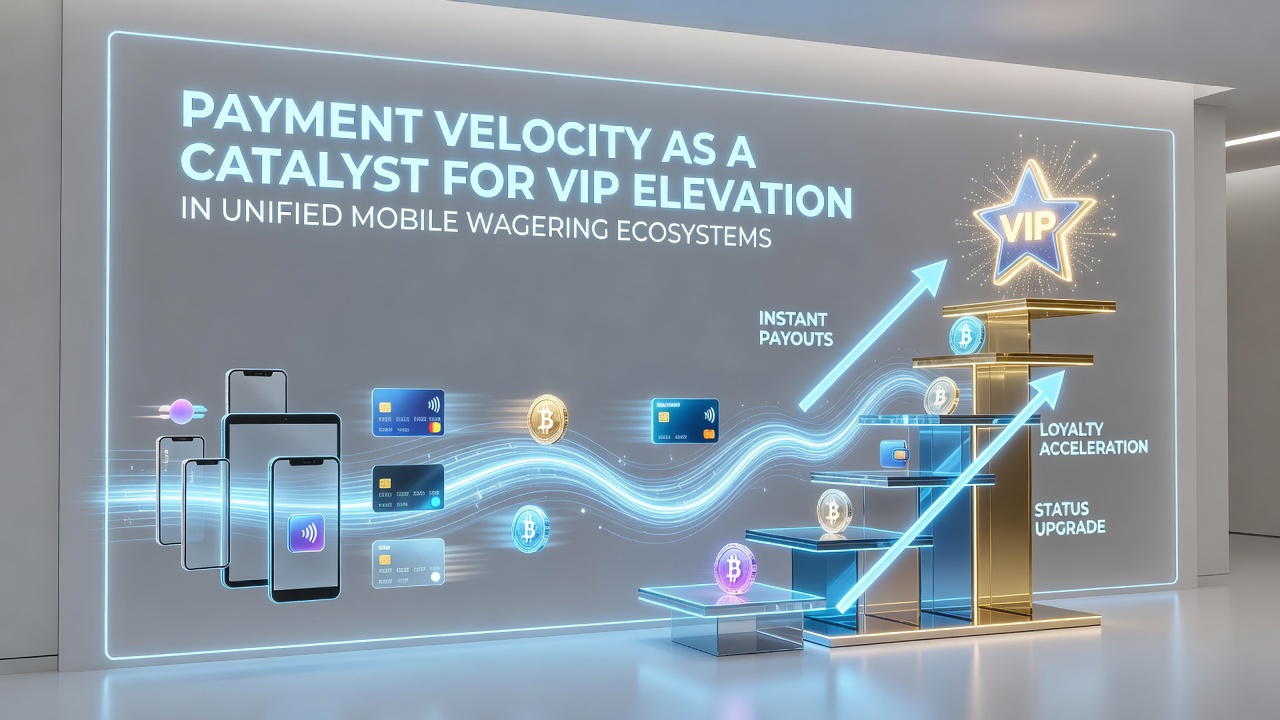
Case studies compiled by academic teams at the University of Nevada, Reno examined anonymized transaction data from several North American operators and identified a measurable uptick in VIP invitations once average deposit latency dropped below three seconds. The studies further noted that players reaching elite tiers via accelerated payment paths tended to maintain higher lifetime values because their activity spanned the full suite of available products rather than remaining siloed in one vertical. Operators have responded by embedding payment speed metrics directly into their CRM systems, triggering targeted bonus offers the moment velocity thresholds are met.
Regulatory and Technical Context Emerging in Mid-2026
By July 2026 several jurisdictions outside the United Kingdom had updated technical standards governing real-time payment interfaces for gambling applications. Canadian provincial regulators, for instance, introduced guidelines requiring operators to disclose average transaction times to users and to maintain fallback systems that preserve velocity during peak load periods. Similar frameworks appeared in parts of the European Union, where emphasis was placed on interoperability between banking rails and wagering wallets to reduce processing variance. These regulatory shifts encouraged platform providers to invest further in infrastructure that keeps payment velocity consistent across regions.
Technical white papers published by gaming technology consortia describe how distributed ledger elements and open banking APIs combine to create audit trails that satisfy compliance requirements while preserving sub-second settlement. Data aggregated from these implementations reveal that platforms adopting the new standards experienced fewer abandoned carts during deposit flows, thereby sustaining the activity levels required for VIP tracking algorithms to function as intended.
Player Journey Mapping Across Vertical Boundaries
Users who begin with a modest sports wager and then move into live dealer tables demonstrate the practical effect of payment velocity on tier advancement. When funds arrive instantly, the same balance can support sequential play without requiring additional external transfers. Industry observers tracking session replays have recorded that players completing at least three vertical switches within a single funded session reach loyalty thresholds faster than those whose transfers encounter delays. This observation aligns with aggregated figures released by the Australian Gambling Research Centre, which documented elevated tier movement in jurisdictions where instant funding options predominate.
Support interactions also intersect with payment velocity, because users encountering funding issues receive priority assistance that restores momentum. Once resolved, the restored velocity allows the session to continue toward the activity thresholds that trigger VIP communications and personalized offers.
Conclusion
Payment velocity operates as a measurable input within the algorithms that govern tier elevation across unified mobile wagering platforms. Available data from regulatory bodies and academic studies indicate consistent associations between reduced transaction latency and accelerated movement through loyalty structures. As technical standards continue to evolve through 2026, operators maintain focus on infrastructure that supports seamless fund movement while meeting compliance obligations across multiple jurisdictions. The resulting ecosystems enable players to transition between product categories without encountering the delays that historically interrupted progression toward premium status.