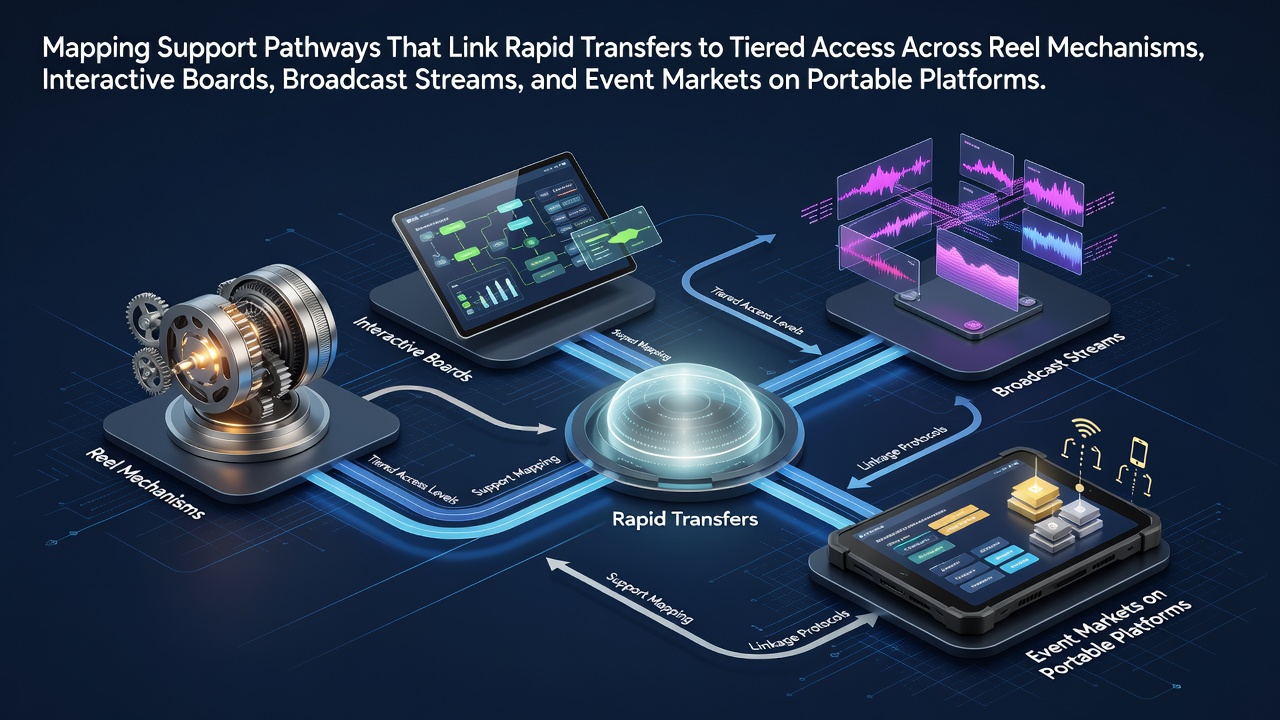
Tracing Mobile Access Routes: Linking Instant Funding to Progressive Tiers in Digital Reel, Board, Stream, and Market Systems
Platform operators have developed integrated systems that connect rapid payment processing with tiered user privileges on portable devices, and these pathways span reel-based games, interactive table interfaces, live broadcast feeds, and event-based wagering markets. Data from industry analyses show that mobile users who complete verified transfers often move through access levels that unlock additional features, and this progression relies on coordinated support mechanisms that operate across multiple product categories.
Payment Integration and Initial Access Layers
Instant transfer protocols allow users to fund accounts and receive immediate confirmation, which then triggers eligibility checks for entry-level privileges. According to reports from the Canadian Gaming Association, portable platforms processed over 65 percent of deposits through e-wallet and instant bank options in recent quarters, and these methods feed directly into automated systems that assign starting tiers. Support teams monitor these flows to resolve verification delays, while algorithms track transaction velocity to determine when a user qualifies for the next access stage.
Reel mechanisms represent the most common entry point, where basic slot play occurs after funding completes, and successful sessions combined with continued deposits can prompt offers for elevated reel features such as additional paylines or bonus rounds. Observers note that interactive boards, including digital table games, require separate confirmation steps that support staff facilitate when users request upgrades, and these steps often occur within the same mobile session.
Progression Through Broadcast and Event Categories
Broadcast streams introduce live dealer environments that demand higher verification thresholds, and pathways linking deposits to stream access typically involve support verification of identity documents alongside payment history. Research from the University of Nevada, Las Vegas International Gaming Institute indicates that users who maintain consistent mobile funding patterns receive stream invitations within shorter timeframes than those using slower methods, and this acceleration stems from backend systems that correlate transfer speed with compliance records.
Event markets for sports and other timed competitions add another dimension, where rapid transfers can unlock market depth and live betting options. Support pathways here focus on real-time assistance during peak event windows, ensuring that tier progression does not stall when users attempt to access premium odds or additional markets. Industry figures reveal that platforms integrating these elements report higher session continuity when support responds within set response windows.
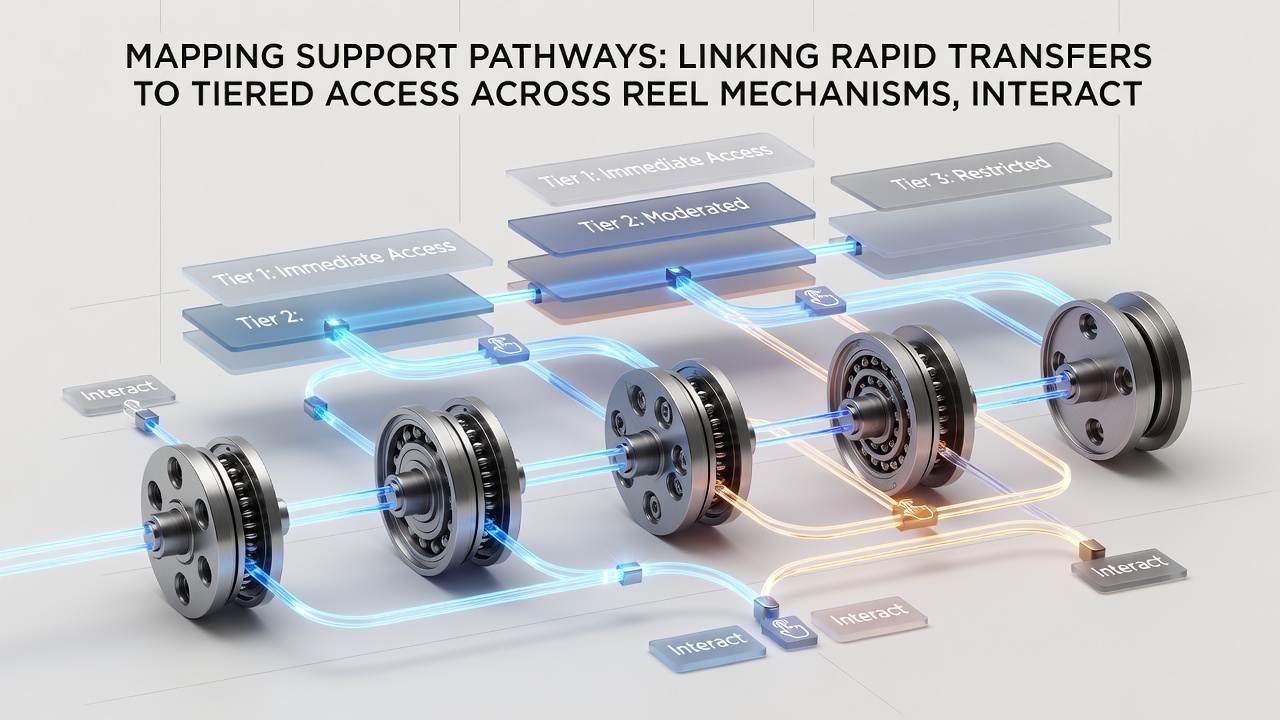
Support Mechanisms Across Portable Ecosystems
Round-the-clock assistance channels operate as the connective tissue between payment events and tier advancements, and these channels handle queries ranging from transfer confirmations to privilege activation. In July 2026, several major operators updated their mobile dashboards to display real-time tier status alongside funding history, and this change followed updates to cross-platform data sharing standards. Technicians at these firms note that unified dashboards reduce friction when users move between reel sessions and live event markets on the same device.
Case examples from platform audits demonstrate that users who encounter transfer issues receive prioritized routing to specialists familiar with both payment gateways and tier rules, and this routing prevents breaks in progression across categories. External data from the European Gaming and Betting Association highlights that platforms maintaining integrated support records achieve faster tier transitions, particularly when broadcast streams and event markets require synchronized compliance checks.
Technical Architecture Enabling Tiered Mobility
Backend architectures rely on API connections that pass transaction data to tier management modules, and these modules evaluate criteria such as deposit frequency, volume, and product engagement. Portable platforms use device-level identifiers to maintain continuity when users switch between reel mechanisms and interactive boards, while support protocols include escalation paths for cases where automated evaluations require manual review. Observers have documented that seamless handoffs between automated systems and human agents preserve momentum toward higher access levels.
Security layers embedded in these architectures verify each transfer before granting tier benefits, and multi-factor authentication routines often run in parallel with payment processing. Researchers tracking mobile gaming patterns report that platforms employing these layered checks experience fewer interruptions when users attempt to enter broadcast streams or deeper event markets after initial reel activity.
Conclusion
Mapping these support pathways reveals a structured progression where rapid transfers serve as the catalyst for tiered access that spans reel mechanisms, interactive boards, broadcast streams, and event markets on portable platforms. Industry reports and platform data continue to document how coordinated payment, support, and compliance systems sustain this movement, and updates scheduled through 2026 aim to refine the technical links that keep these routes operational across devices and product types.