
Unlocking Pathways: Tracing Deposit Methods to Loyalty Advancements in Handheld Gaming Experiences
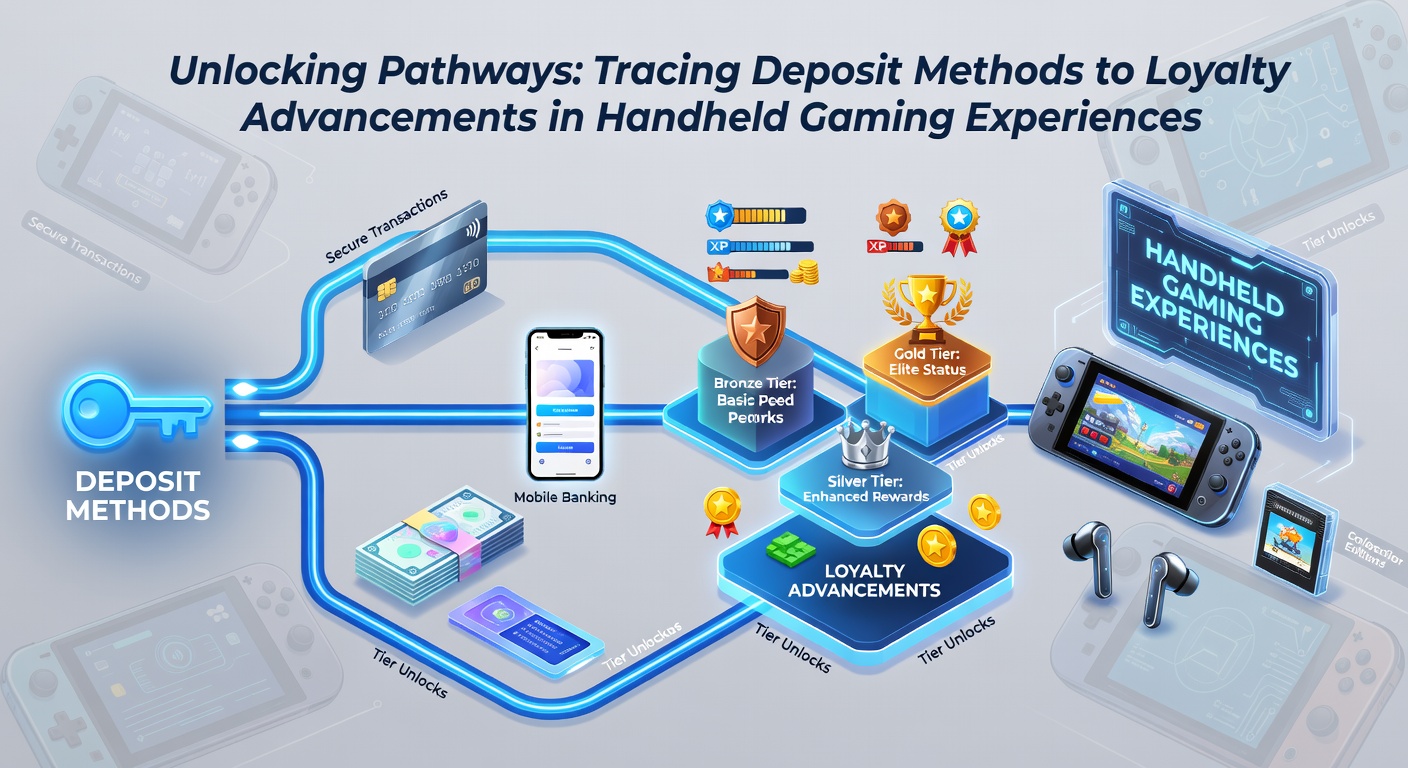
Handheld gaming platforms have transformed how players interact with digital entertainment, and deposit methods now serve as primary gateways to structured loyalty systems. Observers note that seamless payment integrations allow users to accumulate points, unlock tiered benefits, and advance through reward hierarchies directly from mobile interfaces. Data from industry reports shows these pathways operate through automated tracking where each transaction feeds into centralized player profiles managed by platform algorithms.
Core Deposit Mechanisms in Mobile Environments
Modern handheld applications support multiple funding channels including credit and debit cards, digital wallets such as PayPal and Apple Pay, bank transfers, and emerging cryptocurrency options. Each method carries distinct processing speeds and fee structures that influence how quickly loyalty metrics begin to register. Researchers at the University of Nevada's International Gaming Institute have documented that faster confirmation times correlate with higher user retention rates because points allocation occurs almost immediately after successful deposits. Those who've examined transaction logs across various platforms find that e-wallet users often progress through initial loyalty thresholds within the first three sessions while card-based deposits sometimes require additional verification steps that delay advancement.
Security protocols embedded in these payment systems also shape loyalty eligibility. Platforms enforce identity checks during deposit setup, and once cleared, the same verified profile tracks all subsequent activity. This linkage ensures that loyalty points accrue only to authenticated accounts, reducing discrepancies that previously arose from fragmented payment histories.
Mapping Deposits to Tier Progression
Algorithms convert deposit volume, frequency, and consistency into loyalty points using predefined formulas that differ by operator yet follow similar principles. A single deposit of a set amount triggers base points, while recurring transactions within a calendar month multiply those values through bonus multipliers. According to findings published by the American Gaming Association, players who maintain monthly deposit streaks of at least four transactions advance to mid-tier status roughly 40 percent faster than those with sporadic activity. The system records each deposit timestamp, amount, and payment type, then applies weighted calculations that prioritize certain methods over others in specific promotional windows.
Handheld interfaces display real-time progress bars that visualize these calculations, allowing users to monitor advancement without leaving the app. Observers have noted that this transparency encourages sustained engagement because visible milestones create incremental goals tied directly to funding behavior. In cases where users switch between deposit methods mid-cycle, the platform reconciles all sources into a unified score, preventing fragmentation across payment histories.
Technological Enablers and 2026 Developments
API integrations between payment processors and loyalty engines have grown more sophisticated, supporting instant reconciliation across multiple currencies and jurisdictions. By May 2026, several major providers plan to roll out enhanced biometric verification layers that will further streamline deposit approval while simultaneously updating loyalty profiles in real time. These upgrades build on existing frameworks where deposit data already flows directly into reward engines without manual intervention. Industry analysts tracking pilot programs report reduced processing latency by up to 65 percent in test environments, which translates to quicker tier unlocks for qualifying users.
Additional features scheduled for release around that period include cross-platform synchronization, allowing players to carry deposit-linked loyalty status between different handheld devices without resetting progress. This continuity addresses previous limitations where device changes interrupted point accumulation, and early data indicates improved completion rates for multi-tier journeys once synchronization stabilizes.
Regional Variations in Implementation
European operators often emphasize deposit limits tied to responsible gaming frameworks, which in turn cap the speed of loyalty progression to align with regulatory guidelines. Meanwhile, North American platforms tend to highlight accelerated point multipliers for preferred payment methods such as specific bank partnerships. The Alcohol and Gaming Commission of Ontario has published comparative data showing that regions with stricter deposit verification requirements experience slower initial tier movement yet higher long-term retention once users reach mid-level status. Such differences illustrate how local rules reshape the deposit-to-loyalty pathway without altering its fundamental mechanics.
Users in markets with widespread cryptocurrency adoption encounter distinct reward structures that assign premium points for blockchain-based deposits during promotional periods. These variations create diverse advancement routes that still converge on the same outcome: higher tiers unlock exclusive handheld features such as priority event access and customized game recommendations.
Conclusion
Deposit methods have evolved from simple funding tools into structured catalysts for loyalty advancement within handheld gaming ecosystems. Automated tracking systems now convert transaction details into measurable progress across tiered frameworks, and upcoming technological refinements scheduled through 2026 promise even tighter integration. Those examining the broader landscape find that payment choice, timing, and consistency collectively determine how swiftly players navigate from entry-level participation to premium reward access, all managed through the same mobile interface that hosts the core gaming experience.